Taxpayers call for tax freeze in St. John’s
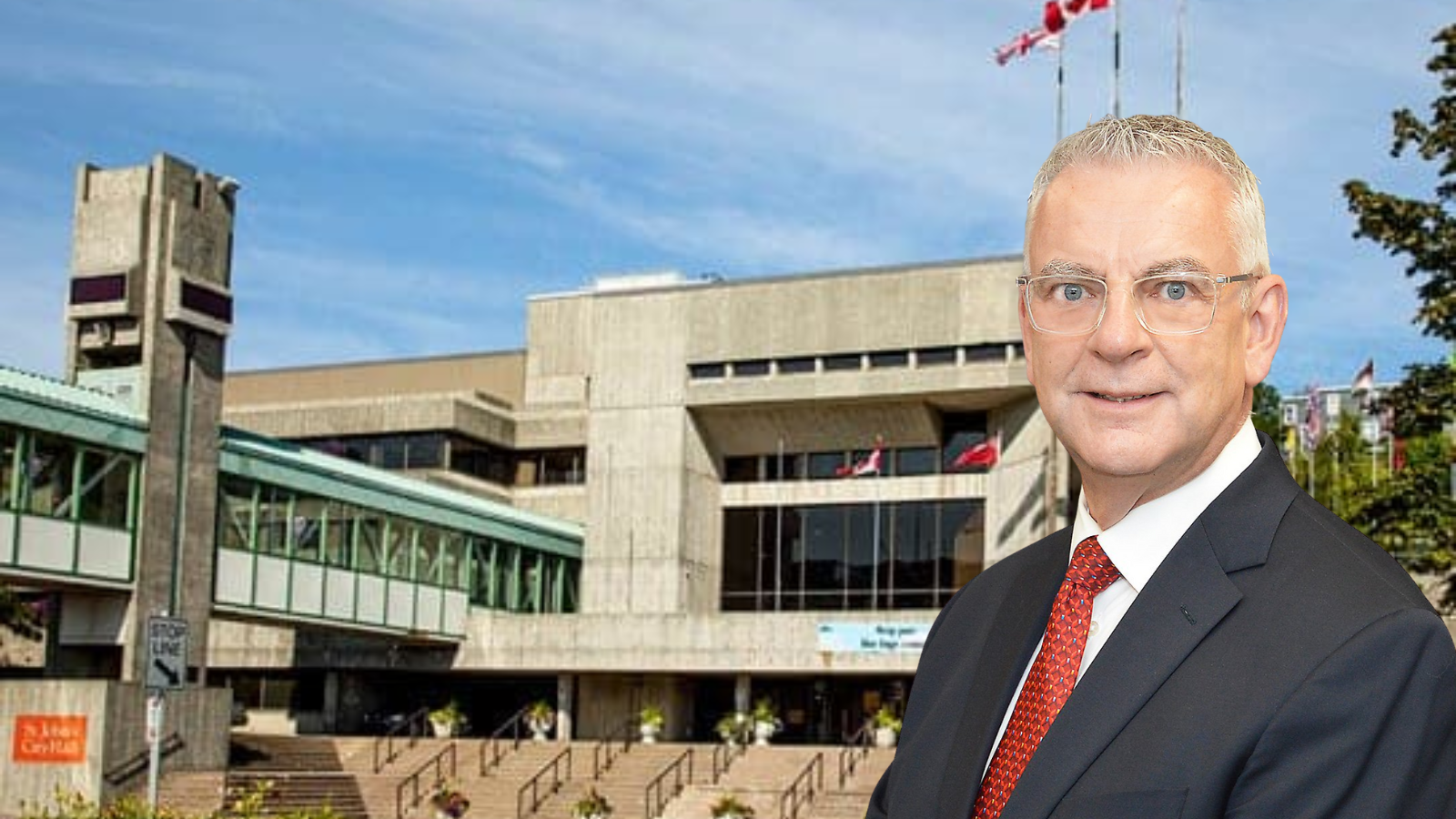
The Canadian Taxpayers Federation is calling on St. John’s City Council to freeze residential property assessments after a CTF analysis found that nearly every home in the city is paying more property tax than it did in 2023.
“City hall has been collecting a tax hike every time assessments go up and it hasn’t given a nickel of it back,” said Devin Drover, CTF Atlantic Director and General Counsel. “Council needs to freeze assessments and stop treating rising home values as a blank cheque.”
The CTF analyzed the City of St. John’s assessment rolls for 2023 through 2027 and tracked the 40,857 residential properties that appear on all five rolls. Rolls were obtained through an access-to-information request.
Between 2023 and 2027, 94.1 per cent of properties saw their assessed value go up. The typical increase was 10.5 per cent.
At the same time, council raised the residential mill rate by 9.6 per cent in 2023.
Stacked together, higher assessments and a higher mill rate mean 40,698 of those properties, or 99.6 per cent, are paying higher municipal property taxes in 2026 than in 2023.
The typical bill went up $450 a year, from $2,134 to $2,601. That’s an extra $37 a month.
The city is collecting $21.4 million more a year from these 40,857 properties than it did in 2023, an increase of 22 per cent in three years.
“A mill rate freeze is not a tax freeze when assessments keep jumping,” said Drover. “Families don’t get to pay their bills with paper gains on a house they aren’t selling. City hall shouldn’t get to either.”
Meanwhile, council keeps signing off on new spending. On Sept. 23, council voted to ratify a four-year contract for the city’s workers with raises of four per cent this year and 13 per cent in total, a month after approving a separate CUPE deal with raises of about 13 per cent through 2030.
Councillor Tom Davis, who voted against both, noted that council typically extends the same raises to management and elected officials. In March, the CTF called on council to rein in senior salaries at city hall instead of hiking taxes.
Council held the mill rate at 9.1 in Budget 2026, but claimed it was able to do so “largely due to spikes in property values.” The city’s current assessments are based on values as of Jan. 1, 2024, and the next roll is due to move to a newer base date.
Ontario has kept property assessments at Jan. 1, 2016, values since 2020, and will again for the 2026 tax year.
“Every family in this city has to live within a budget that doesn’t grow just because a neighbour sold a house for more and city hall should too,” said Drover. “Council just signed off on four more years of raises for city staff. It can’t keep sending the bill to homeowners.
“Freeze assessments, hold the mill rate and end the automatic tax hikes.”