High-speed rail project just an expensive fairy tale
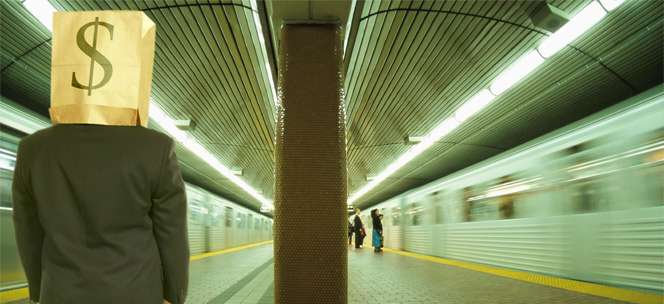
That’s Ottawa’s plan for high-speed rail between Toronto and Quebec City.
Former prime minister Justin Trudeau announced in early 2025 that “Canada is getting high-speed rail.”
But the government’s numbers aren’t adding up.
The government claims the project will create up to 51,000 jobs during its construction and boost Canadian GDP by up to $35 billion annually.
The project will only become profitable after $53 billion in subsidies and 44 years of operation, according to research from McGill University.
That $53 billion is close to how much Ottawa takes from taxpayers through the GST in a year.
That’s a money pit, not an investment.
And those jobs come with a massive price tag. Each of the 51,000 jobs costs about $1.7 million and many of them won’t be around after construction ends.
A $35-billion annual increase in GDP amounts to about a two per cent GDP increase in Ontario and Quebec. That's about those province's projected combined GDP growth this year.
That means the government is saying that this train would essentially double the GDP growth of Ontario and Quebec this year if it was completed. From seven stops.
If anyone in Ottawa seriously believes that,
Only one out of three people surveyed in the area said they would take the train more than once per year. That’s not enough riders to justify the cost.
And then there’s the land issue.
High-speed trains need straight tracks. That means the government is going to cut roads in half and take land from people who don’t want to sell.
“If people are reluctant, there is of course some recourse with the expropriation process that could happen,” said Martin Imbleau, CEO of Alto, the crown corporation in charge of the project. “A train that runs at 320 km/h cannot have curves. It has to be very, very straight, so of course we’ll need to buy a significant portion of land, and compensation will be a big issue.”
And other similar projects are known for coming in severely over budget and behind schedule.
The California High Speed Rail project was projected to cost $46 billion in 2008. Now almost two decades later the cost has ballooned to $174 billion and not a single piece of track has been laid.
The United Kingdom’s high-speed rail line called HS2 was projected to cost $59 billion in 2011. The latest numbers show the budget is more than $148 billion. And it won’t open for almost another 10 years.
The same story has played out here at home. The Ontario government announced it would build a light rail line across Toronto, the Ontario Line, for $10.9 billion. But costs ballooned to $27.2 billion before a single track was laid.
Expecting the federal government to buck the trend and build the Alto line within budget is laughable.
The federal government has a bad track record when it comes to managing projects. It wasted $60 million on a broken ArriveCan app that was supposed to cost $80,000. Now it wants to manage a $90-billion rail project?
It’s a project that taxpayers can’t afford.
The federal government is borrowing about $78 billion this year. The federal debt will reach $1.35 trillion by the end of the 2025-2026 fiscal year.
Debt interest payments are costing taxpayers $55.6 billion this year. That’s more than the government collects through the GST.
The government doesn’t have enough spare cash to buy a model train set.
This high-speed rail project is going to be another boondoggle for taxpayers. Ottawa needs to cancel it before it leaves the station and save taxpayers billions of dollars.